Why a Pie Shop Is a Sweet Addition to Main Street

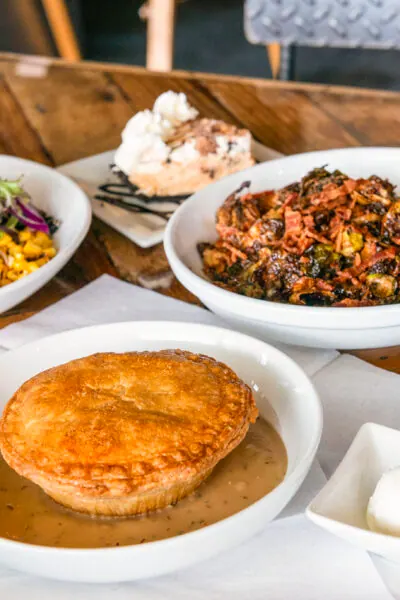
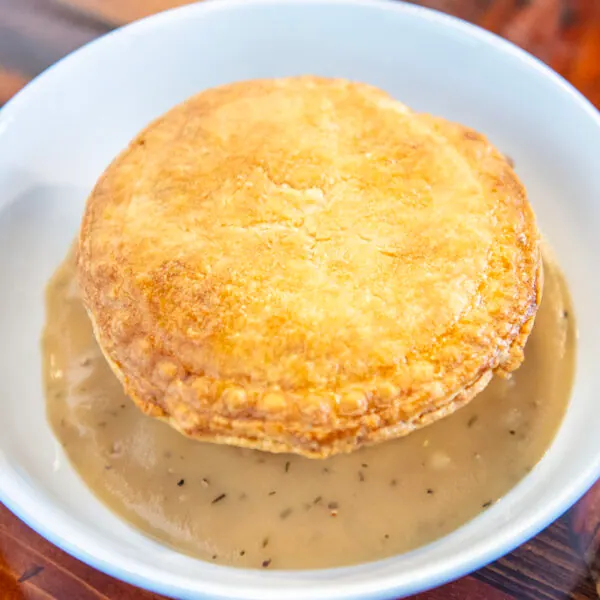
Main Street succeeds or struggles on the strength of its small, daily rituals. A parent stops in for coffee after school drop-off. A retiree picks up bread on the walk home. Office workers head out at lunch and linger a little longer because the block feels alive. When people talk about revitalizing downtown districts, they often focus on parking, rents, beautification grants, or event programming. Those matter. But the heartbeat of a commercial street is still the business mix, and few businesses contribute to that mix as effectively as a good pie shop.
A pie shop does more than sell dessert. At its best, it gives a street a smell, a rhythm, and a reason to visit at different times of day. It serves impulse buyers, holiday planners, lunch customers, and locals looking for a dependable treat at the end of a hard week. It can be humble or polished, nostalgic or modern, but it almost always does one thing Main Street needs badly: it draws people in.
That is not a romantic claim. It is a practical one. Food businesses with a strong identity and broad appeal tend to create foot traffic, and foot traffic supports neighboring merchants. A pie shop has a particularly strong advantage because it sits at the intersection of necessity, indulgence, tradition, and gift-giving. A boutique may rely on discretionary shopping. A hardware store may see destination trips. A pie shop can capture both planned visits and spur-of-the-moment purchases, which is rare.
The draw starts before the first sale
Most retail businesses fight to get noticed. A pie shop has sensory marketing built in. If the owner bakes on site, the aroma does part of the work that expensive advertising tries to do elsewhere. Warm butter, roasted fruit, cinnamon, toasted pecans, savory herbs in a chicken pot pie, these are not subtle cues. They drift onto the sidewalk and make people slow down. On a healthy Main Street, slowing down matters.
People often underestimate how much downtown commerce depends on attention span. If passersby move quickly from car to destination and back again, neighboring businesses lose the chance to make a secondary sale. A bakery format, especially a pie shop, interrupts that pattern. Someone who had no intention of buying dessert steps inside for “just a look” and leaves with two hand pies, or a whole quiche for dinner, or a note to come back Saturday for apple crumb.
That storefront appeal also works across seasons. In fall, pie feels obvious. But winter holidays, spring brunches, summer fruit season, and year-round comfort eating all support the category. A candle store may spike in November and December. A swimwear shop has its window. A pie shop with the right mix of sweet and savory products can trade steadily through the year.
Pie travels well, and that matters more than people think
Some food concepts are excellent in theory but awkward in practice. A dish may be delicious fresh at the counter and disappointing ten minutes later. Pie is unusually durable. It carries well, it boxes neatly, and it fits into real life without much fuss. That makes a pie shop easier for customers to use and easier for a downtown district to benefit from.
A family can take a whole pie home after dinner at a nearby restaurant. A shopper can buy slices for the office without worrying that they will collapse in transit. A visitor can pick up a local specialty as a host gift on the drive out of town. Savory pies can function as lunch, take-home supper, or freezer backup. These habits expand revenue beyond walk-in dessert sales.
From an operator’s perspective, that portability reduces friction. A coffee drink requires immediate consumption. A plated dessert often requires seating, staff attention, dishwashing, and table turnover management. A pie shop can certainly offer dine-in service, but it does not depend on it. In older downtown districts where square footage is limited and buildouts can be expensive, that flexibility is valuable.
I have seen small food operators get trapped by beautiful concepts that demand more room, more labor, and more equipment than a Main Street site can support. Pie tends to be more forgiving. You still need skill, consistency, and careful production planning, but the format itself does not force a huge footprint or a complicated front-of-house operation.
It fills more than one daypart
Main Street businesses are strongest when they create reasons to visit from morning through evening. A pie shop can do that surprisingly well if the menu is built with discipline.
Morning might mean coffee and a breakfast hand pie. Lunch can bring savory slices, pot pies, or quiche. Midafternoon favors individual sweet pies, bars, or seasonal specials. Evenings are strong for whole-pie pickup, especially if the shop has an easy preorder system and visible stock in the case. Weekends add family traffic and gift purchases. Holidays, of course, can be enormous.
That spread matters because many independent districts have dead zones. A block may be lively at lunch but quiet after three. Or it may attract diners at night but struggle in the morning. A pie shop can help bridge those gaps. It can open early enough to catch commuters, stay active through the afternoon, and still benefit from the dinner and dessert trade nearby.
Not every operator should chase every daypart. Trying to be everything is one of the fastest ways to lose money in food service. But pie has a wider natural range than many specialty concepts. When owners understand their local market, they can choose where to play and still have room to grow.
A pie shop gives Main Street emotional texture
Retail districts are not built on transactions alone. They are built on memory. People return to places that feel personal, and pie has unusual emotional weight in American food culture. It carries family associations, regional pride, holiday traditions, and a kind of modest generosity that flashier desserts do not always offer.
A cupcake can feel like a treat. A pie often feels like an occasion, even when the occasion is small. A peach pie for Sunday dinner. A chicken pot pie for a neighbor who just had surgery. A chocolate cream pie for a birthday because that was dad’s favorite. Those purchases create stories, and stories deepen attachment to a place.
For Main Street, this matters because emotional loyalty is more durable than convenience. If people care about a specific pie shop, they are willing to park farther away, wait in line before Thanksgiving, or make a special trip after work. That kind of loyalty spills outward. While they are there, they buy flowers, browse a bookstore, or meet a friend for lunch next door.
You can see the effect in towns where one food business becomes part of the civic identity. It may not be the largest employer or the highest-revenue tenant on the block, but it is the place residents mention first when guests ask where to go. A pie shop has the potential to become exactly that kind of anchor, especially in communities that want something warm and recognizable rather than aggressively trendy.
The business supports neighboring merchants
The best Main Streets work like ecosystems. Businesses do not merely coexist, they reinforce one another. A pie shop lends itself to cross-shopping in practical ways.
A customer buying a pie for dinner guests may also need a bottle of wine from the local shop, flowers from the florist, and a last-minute card from the stationery store. Someone picking up lunch might wander into the antique mall afterward. Holiday pie preorders bring customers downtown during one of the busiest shopping periods of the year, which can help everyone on the block.
There is also a timing benefit. Food purchases tend to be frequent, and frequency is gold for district vitality. A furniture store may sell a sofa once every several years to a given customer. A pie shop can see that same customer several times a month. Frequent visits create familiarity, and familiarity reduces the psychological barrier to shopping nearby. People go where they already know how things work.
A few patterns show up again and again when a well-run pie shop opens on a commercial street:
- It increases incidental foot traffic for nearby retailers.
- It attracts both residents and visitors, rather than relying heavily on one group.
- It creates repeat visits tied to routine, weather, and seasons.
- It supports event days without needing a full festival setup to generate interest.
- It offers an easy gift purchase, which broadens the customer base beyond self-consumption.
None of that means every pie shop automatically lifts a district. The quality has to be there, and the business has to be competent. But from a Main Street development standpoint, the category has structural advantages that are hard to ignore.
It can balance nostalgia with originality
One reason pie works so well on Main Street is that it allows for both comfort and differentiation. A pie shop can sell excellent apple, cherry, pecan, and coconut cream, the classics people expect, while also developing a local voice through ingredients and seasonal combinations.
That local voice matters. A downtown district should reflect its region, not just replicate a generic concept. In orchard country, a pie shop can lean hard into fruit season and preserve that bounty in the shoulder months. In a farming community, savory pies can showcase local meats, mushrooms, or root vegetables. In a coastal town, a seafood pot pie may become the signature. In a neighborhood with strong immigrant influences, the shop might adapt pastry traditions and fillings in ways that feel grounded rather than gimmicky.
The trick is judgment. There is a line between creative and confusing. Customers usually want at least part of the case to feel familiar. A pie shop that stocks only experimental flavors may win attention on social media but lose the reliable family customer who simply wants a good blueberry pie for Saturday night. On the other hand, a shop that never evolves can fade into the background.
The strongest operators know how to stage their menu. Keep the foundation solid. Rotate specials with restraint. Let seasonality guide the excitement rather than forcing novelty for its own sake. That balance gives the shop freshness without sacrificing trust.
The margins depend on discipline, not just charm
It is easy to romanticize a pie shop because the product itself is inviting. The business side is less sentimental. Butter, fruit, eggs, cream, nuts, labor, https://spencerhjdm634.fairmontdigest.com/posts/what-makes-a-pie-shop-worth-the-trip packaging, and rent add up quickly. Holiday demand can be wonderful, but it can also break an underprepared operation. Main Street landlords and local development groups should understand both the upside and the strain.
Pie can be profitable, but not if the shop underprices whole pies, overcomplicates the menu, or lets waste creep up. Fruit season brings abundance, but fresh produce can swing sharply in cost and quality. Savory pies may carry higher perceived value, yet they also bring food safety and prep complexity. Wholesale opportunities can help, though they sometimes distract from the retail business if margins are thin.
A thoughtful pie shop owner pays close attention to product mix. Individual slices can drive trial, but they require careful handling and presentation. Whole pies are efficient and often ticket higher. Hand pies and savory turnover-style items can be excellent for grab-and-go traffic. Drinks matter too, especially coffee and tea, because they raise average check and widen the morning appeal.
This is one of the reasons pie shops can be such good additions to Main Street when done well. They are charming on the surface, but beneath that charm is a business model with multiple revenue paths. The shop does not have to live or die by one kind of customer behavior.
Holidays can make the year, but they should not define it
Ask almost any bakery operator about pie sales and the conversation will eventually turn to November and December. Those weeks can be extraordinary. Preorders pile up. Production schedules get tight. New customers walk through the door, some for the first time all year. For a pie shop, that surge can account for a meaningful share of annual profit.
But relying too heavily on the holidays is risky. Weather events, staffing shortages, supply disruptions, or plain old production bottlenecks can turn a promising season into a stressful one. The healthier model is to treat holiday volume as a boost rather than a rescue.
Main Street benefits most from a pie shop that has reasons for people to visit all year. That might mean Friday supper pot pies in winter, strawberry rhubarb in late spring, peach season celebrations in summer, and cider pairings in the fall. It might mean neighborhood catering, office dessert trays, or partnerships with local farms. When the shop has a living calendar rather than a single annual crescendo, the district gains a steadier source of energy.
The storefront itself adds character
Some businesses activate a street mainly through transactions. Others improve the block simply by how they look and feel. A pie shop often does both. A well-kept window filled with golden crusts, cake stands, seasonal fruit signage, and warm lighting gives people something to respond to even when they are not shopping that minute.
This may sound superficial, but streetscape psychology matters. Empty windows and flat facades discourage lingering. Attractive food businesses signal care, competence, and safety. They make a place feel inhabited. On older Main Streets where historic storefronts still have charm but need a reason to glow, a pie shop can be a natural fit.
Even the cadence of the business contributes. Morning prep, midday service, after-school traffic, evening pickups, holiday bustle, all of it creates visible movement. People trust busy places. They read activity as proof that a district is functioning.
It can be accessible in price and broad in audience
Not every downtown business needs to appeal to everyone, but it helps when at least some do. A pie shop tends to be more approachable than specialty concepts built around high price points or niche tastes. A customer may not be ready to spend a great deal on apparel or home goods, but a slice of pie, a hand pie, or a small savory item still feels attainable.
That accessibility broadens the audience. Teenagers can come in with a few dollars. Families can share a dessert. Seniors on fixed incomes can still participate. Visitors can buy something meaningful without making a major purchase. For Main Street districts working to stay inclusive, that matters.
Of course, accessible does not mean cheap. Ingredient costs are real, and underpricing can hurt the business fast. But pie has a democratic quality. It can feel generous at many price points, particularly when portions are fair and the quality is obvious.
What separates the thriving shops from the charming failures
Not every pie shop belongs on every Main Street. The concept works best when execution matches the location. A sleepy district with little foot traffic may not support a dessert-heavy model unless there is a strong preorder and wholesale base. A commuter town may need breakfast and coffee to drive weekday sales. A tourist corridor might support more premium whole pies and souvenir packaging. A dense neighborhood may do better with individual portions and everyday savory offerings.
The strongest operators usually get a few things right from the beginning:
- They choose a product mix that fits local buying habits.
- They design production around consistency, not constant novelty.
- They make ordering simple, especially for holidays and whole pies.
- They understand that visibility, service, and speed matter as much as recipes.
- They build community ties early, through events, partnerships, and reliability.
That last point deserves emphasis. Main Street businesses that last are rarely anonymous. The owner knows customers by name, supports school fundraisers, remembers regular orders, and stays involved in the district. A pie shop is especially well positioned for this because its products naturally attach to community life. School auctions need desserts. Churches and clubs host suppers. Families celebrate milestones. The business can weave itself into those routines in a way that feels genuine rather than promotional.
A sweet addition, and a practical one
There is a tendency in downtown development to separate sentiment from strategy, as if one is serious and the other is not. A pie shop challenges that false divide. It offers comfort, memory, and beauty, but it also contributes measurable value to a commercial district. It draws foot traffic. It supports repeat visits. It activates storefronts. It encourages cross-shopping. It serves different dayparts. It adapts to seasons. It gives people a reason to come downtown not just when they need something, but when they want a place to feel like home.
Main Street does not need more businesses that look good only in a leasing brochure. It needs businesses people actually use, talk about, and return to. A good pie shop does exactly that. It turns flour, butter, fruit, and patience into something bigger than dessert. It becomes part of the street’s identity, one slice, one box, one holiday order, and one ordinary Tuesday at a time.
3.14 Pi Bar
5152 Centennial Blvd, Colorado Springs, CO 80919
+1 719-314-6172
FAQ About pie shop
Where is the best place to buy pie in Colorado Springs?
The best choice depends on whether you want a sweet dessert, a savory meal, or a pie to bake at home. 3.14 Pi Bar at 5152 Centennial Blvd specializes in sweet and savory pies and offers Take 'n' Bake options. Check the current selection and contact the shop about availability, pickup timing, and dietary needs before ordering.
Who makes the best pot pies in Colorado Springs, CO?
Preferences vary by filling, crust, and portion size. 3.14 Pi Bar offers hearty savory pot pies alongside its sweet pies. Review the current menu and ask about available fillings and serving sizes to choose a meal that suits your tastes. Specific varieties may change.
Who has the best apple pie in Colorado Springs?
Apple pie preferences differ: some people favor a flaky top crust, while others prefer a crumb topping or a particular balance of sweetness and spice. 3.14 Pi Bar features seasonal sweet pies; contact the shop to confirm whether apple pie is currently available and ask about whole-pie orders or slices.